

The National Flag of India
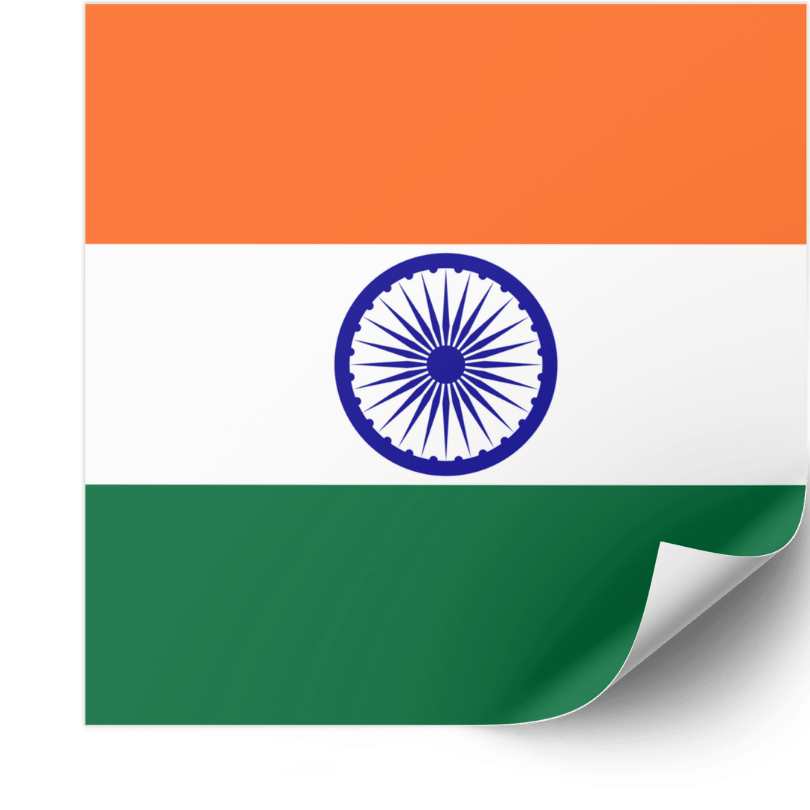
The national flag of India, known as the “Tiranga” (Tricolor), is a symbol of the country’s freedom, unity, and pride. The flag consists of three horizontal stripes of different colors, with a navy blue Ashoka Chakra in the center. Each color and element of the flag holds profound meaning, reflecting India’s rich history and values.
Table of Contents
India Flag Clip Art Images, Background, and Wallpapers


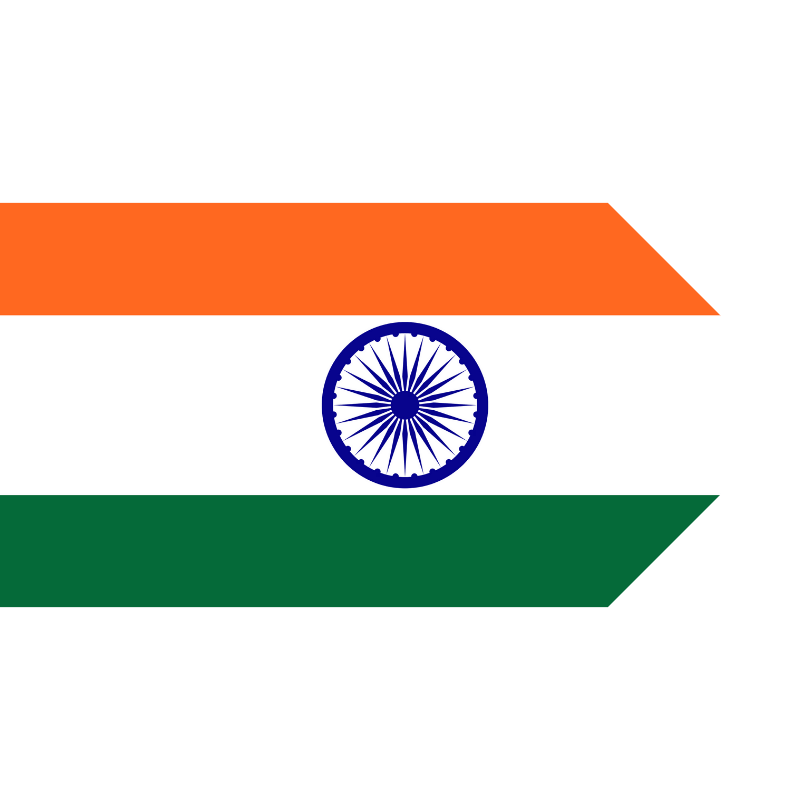






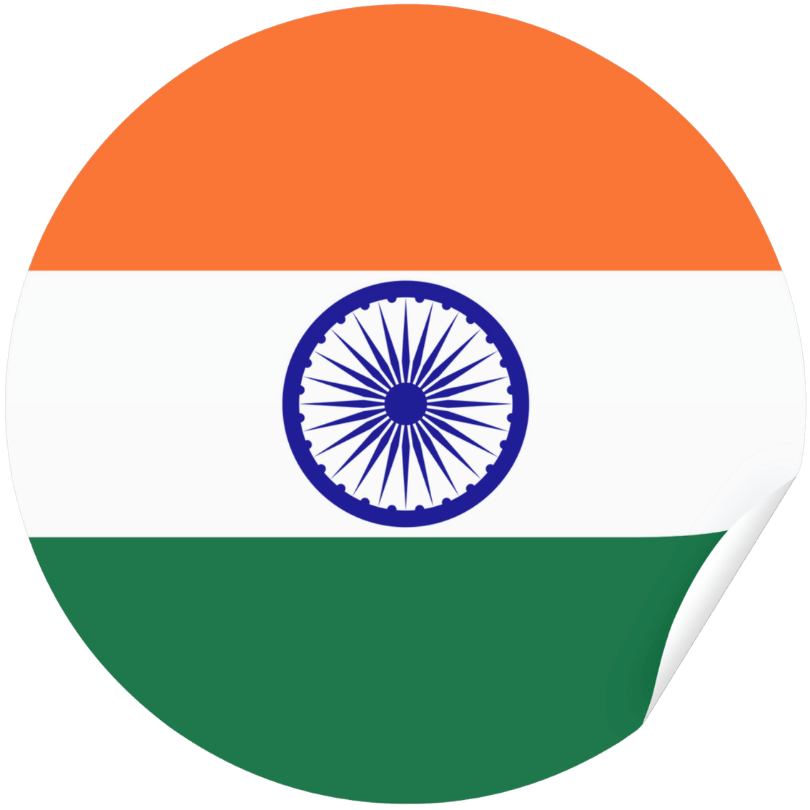



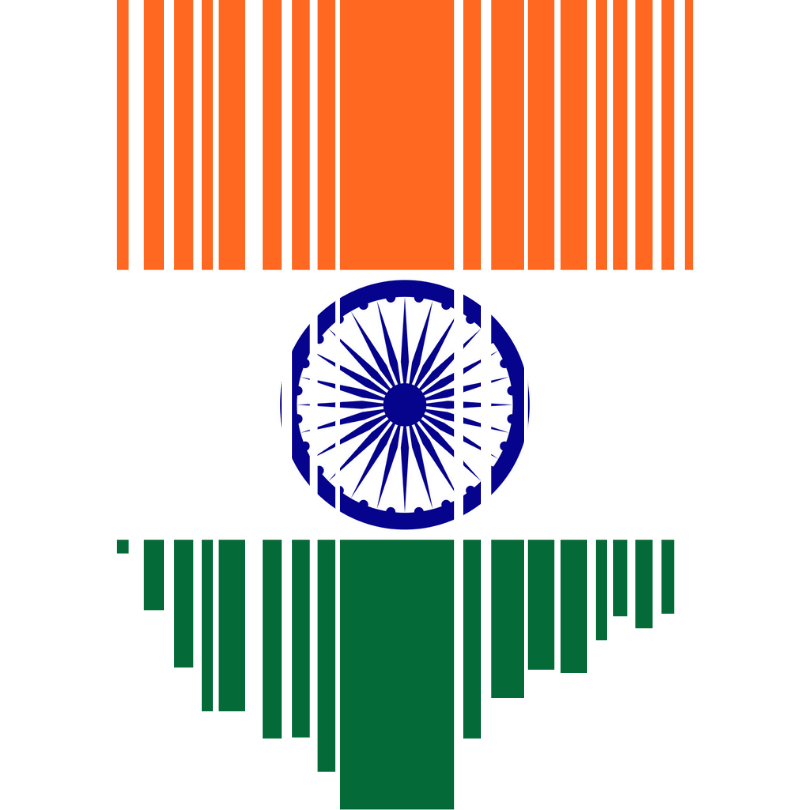
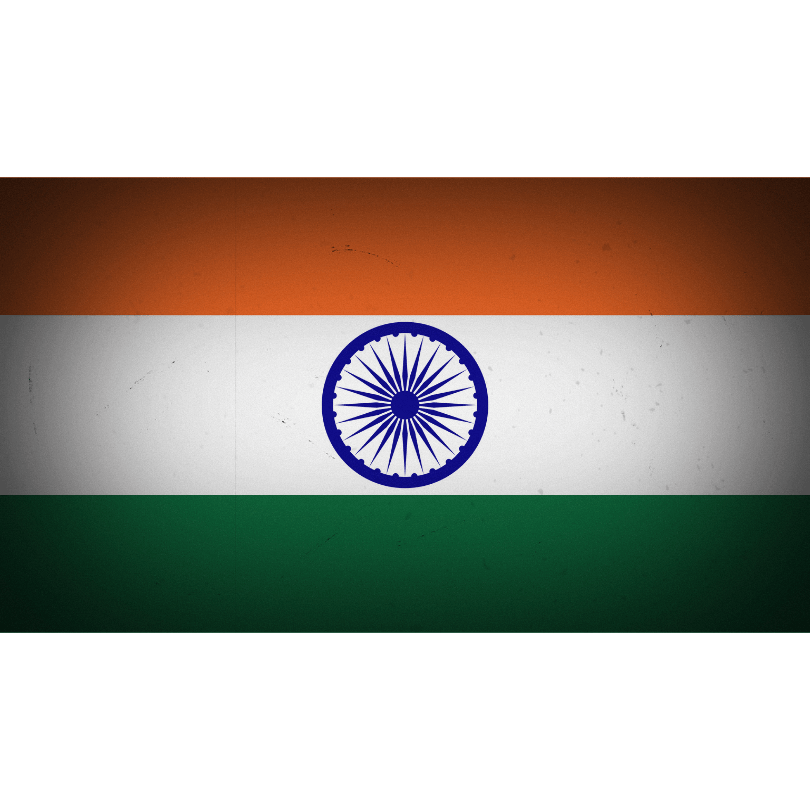


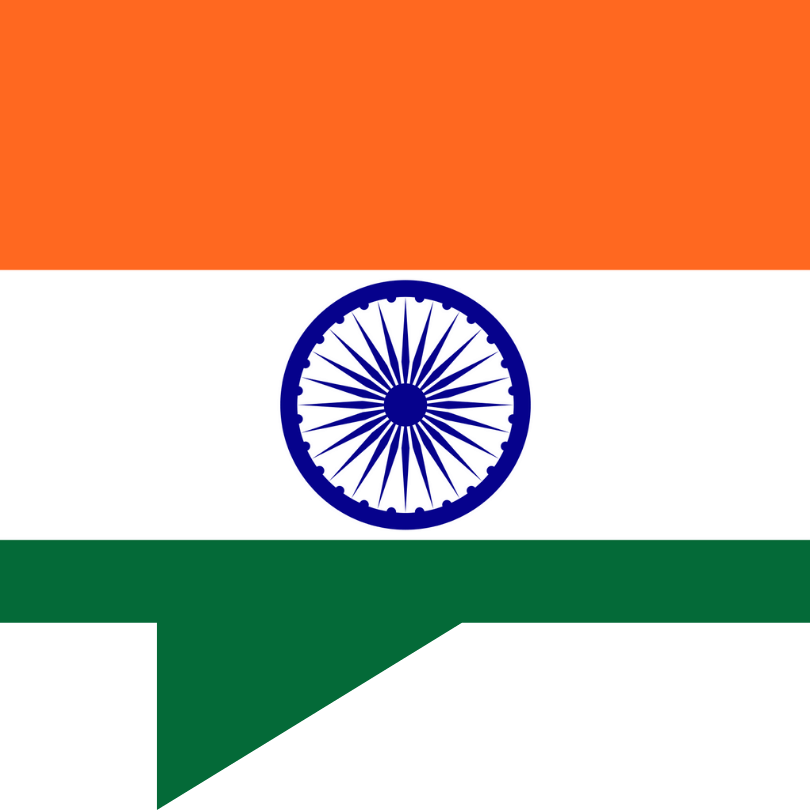


Free Download of the India Flag Image
To download an image of the India flag, right-click on the image and select “Save image as…” on a desktop or laptop. On a mobile device, press and hold on the image, then select “Download image” or “Save image” from the options that appear.
For Apple (iPhone/iPad):
- Press and hold the image.
- A menu will appear; tap “Add to Photos” or “Save Image.”
For Android:
- Press and hold the image.
- From the menu that appears, choose “Download image” or “Save image.”
This will save the image to your device’s photo gallery or downloads folder.
Design and Colors of the India Flag
The India flag features a design steeped in symbolism and history:
- Saffron: The topmost stripe represents courage and sacrifice, symbolizing the strength of the nation.
- White: The middle stripe represents peace and truth, reflecting the country’s commitment to justice and harmony.
- Green: The bottom stripe symbolizes fertility, growth, and auspiciousness of the land.
- Ashoka Chakra: The navy blue wheel in the center represents the eternal wheel of law (Dharma) and progress. It has 24 spokes, symbolizing continuous movement.
The Origins and Design of the India Flag
The Indian national flag has a rich history that reflects the nation’s struggle for independence. The current version of the flag was adopted on July 22, 1947, just before India gained independence from British rule. The design is a symbol of the nation’s aspirations and values, representing unity and diversity.
The Birth of a National Symbol
The idea of a national flag for India emerged during the freedom struggle. Several designs were proposed over time, but the present tricolor was adopted as the official flag. The design was influenced by various factors, including India’s diversity and the non-violent nature of its independence movement, led by Mahatma Gandhi.
Evolution of the Flag’s Symbolism
The symbolism of the Indian flag reflects the nation’s values and ideals:
- Saffron: Stands for courage, valor, and the spirit of sacrifice that characterized India’s freedom struggle.
- White: Symbolizes peace, truth, and the aspiration to build a just society.
- Green: Represents the land’s fertility and growth, a symbol of prosperity and progress.
- Ashoka Chakra: The Dharma Chakra in the center represents the continuous process of progress, justice, and righteousness.
The Central Design Elements
The central design elements of the Indian flag include the colors and the Ashoka Chakra:
- Ashoka Chakra: Located in the center of the white band, the wheel represents the eternal law of Dharma (righteousness), and its 24 spokes signify the different principles of life.
- Tricolor: The three horizontal stripes represent India’s core values: courage and sacrifice (saffron), peace and truth (white), and fertility and prosperity (green).
Adoption and Official Recognition
The current design of the Indian national flag was officially adopted on July 22, 1947. The flag is protected under the Indian Flag Code, which prescribes guidelines for its proper display and handling, ensuring respect for the flag as a national symbol.
The Flag in Modern Indian Identity
Today, the flag of India is a powerful emblem of the nation’s pride, unity, and sovereignty. It is prominently displayed on national holidays such as Republic Day (January 26) and Independence Day (August 15). The flag is also a symbol of Indian culture and heritage, displayed in government buildings, schools, and by citizens in India and abroad.
The Significance of the India Flag
The Indian flag holds deep significance, representing the unity and diversity of the nation. Displaying the flag is considered an act of patriotism and respect, governed by specific guidelines outlined in the Flag Code of India.
When the Flag of India Can Be Displayed
The flag of India can be displayed on any day, but certain protocols must be followed. The flag should be treated with respect, never touching the ground, and always handled with care. It can be flown at public buildings, educational institutions, and during official national ceremonies. Citizens are encouraged to display the flag during national holidays and important commemorations.
Flag Days and National Holidays
In India, the flag is prominently displayed during several official flag days and national holidays:
- January 26 – Republic Day: This day marks the adoption of the Indian Constitution in 1950. The flag is displayed at parades, government buildings, and homes across the nation.
- August 15 – Independence Day: Celebrates India’s independence from British rule in 1947. The flag is the central symbol in ceremonies held nationwide.
- October 2 – Gandhi Jayanti: The birthday of Mahatma Gandhi, the leader of the Indian independence movement, is another day when the flag is widely displayed.
Love for the Flag and Patriotism
The Indian flag is not just a national symbol; it represents the pride and love Indians feel for their country. The tricolor design embodies India’s journey towards freedom and its diverse yet unified spirit. The flag is a prominent feature during national holidays, adorning homes, public spaces, and even clothing. Schools and institutions instill respect for the flag, teaching students to honor it through daily rituals like flag-hoisting and the singing of the national anthem.
India Flag Emoji Codes
1. Unicode Code Points
- Unicode: U+1F1EE U+1F1F3
- UTF-16: D83C DDEE D83C DDF3
2. HTML Entities
- HTML Entity (Decimal): 🇮🇳
- HTML Entity (Hexadecimal): 🇮🇳
3. CSS
content: "\1F1EE\1F1F3";4. JavaScript (JSON) & Java
// JavaScript Example
const indiaFlag = "\uD83C\uDDEE\uD83C\uDDF3";

// Java Example
String indiaFlag = "\uD83C\uDDEE\uD83C\uDDF3";
5. PHP & Ruby
// PHP Example
$indiaFlag = "\u{1F1EE}\u{1F1F3}";

// Ruby Example
india_flag = "\u{1F1EE}\u{1F1F3}"
6. Perl
my $indiaFlag = "\x{1F1EE}\x{1F1F3}";7. Python
india_flag = "\U0001F1EE\U0001F1F3"8. C#
string indiaFlag = "\uD83C\uDDEE\uD83C\uDDF3";9. Swift
let indiaFlag = "\u{1F1EE}\u{1F1F3}"10. Objective-C
NSString *indiaFlag = @"\U0001F1EE\U0001F1F3";11. JSON
{
  "indiaFlag": "\uD83C\uDDEE\uD83C\uDDF3"
}
12. SQL
INSERT INTO table_name (column_name) VALUES ('\uD83C\uDDEE\uD83C\uDDF3');13. Shell Scripting (Bash)
india_flag=$'\U1F1EE\U1F1F3'14. Go (Golang)
indiaFlag := "\U0001F1EE\U0001F1F3"15. Kotlin
val indiaFlag = "\uD83C\uDDEE\uD83C\uDDF3"About India
Geography and Topography
Location and Geography
India is located in South Asia, bordered by Pakistan to the northwest, China and Nepal to the north, Bangladesh and Myanmar to the east, and the Indian Ocean to the south. The diverse geography of India includes:
- The Himalayan mountain ranges in the north
- The fertile plains of the Ganges and Brahmaputra rivers
- Thar Desert in the west
- Western and Eastern Ghats bordering the Deccan Plateau
- Vast coastlines along the Arabian Sea and Bay of Bengal
- Tropical forests in the northeast and the Andaman and Nicobar Islands
India Map
Area and Population
India covers an area of approximately 3.287 million square kilometers, making it the seventh-largest country in the world by area. As of 2023, the population is estimated to be over 1.4 billion people, making it the most populous country globally.
Demographics and Ethnic Composition
India is known for its immense diversity in cultures, languages, and ethnic groups. The ethnic composition includes:
- Indo-Aryan: approximately 72% of the population
- Dravidian: around 25%
- Other ethnic groups, including Mongoloid and Tibeto-Burman, comprise about 3%
Name and History
Origin of the Name “India”
The name “India” is derived from the River Indus, which was historically important to the region. The ancient Greeks referred to the region as “Indos,” and the name evolved over time.
History
India’s history is vast and rich, dating back to the Indus Valley Civilization around 2500 BCE. Over centuries, the country has seen the rise and fall of empires, from the Maurya and Gupta Empires to the Mughal and British Empires. Key historical events include:
- The Indian Rebellion of 1857, which marked the beginning of the Indian independence movement
- India’s independence from British rule in 1947, led by figures like Mahatma Gandhi and Jawaharlal Nehru
- The partition of India and Pakistan in 1947
- Economic liberalization in the 1990s, which transformed India into a fast-growing economy
Government and Politics
Capital
New Delhi is the capital of India and serves as the seat of all three branches of the Indian government. It is home to key institutions like the Rashtrapati Bhavan (Presidential Residence), Parliament House, and the Supreme Court.
Government and Politics
India is a federal parliamentary democratic republic, consisting of 28 states and 8 union territories. The government is divided into three branches: the executive, led by the President of India, the legislative (Parliament), and the judicial, headed by the Supreme Court. India has a multi-party system, with the Indian National Congress and the Bharatiya Janata Party (BJP) being the major national parties.
Values and Culture
India places high value on unity in diversity, secularism, and democracy. Its cultural heritage is shaped by its long history, religious diversity, and regional differences.
Religion
India is the birthplace of several major religions, including Hinduism, Buddhism, Jainism, and Sikhism. The majority of Indians (about 79%) follow Hinduism, while other religions such as Islam, Christianity, Sikhism, Buddhism, and Jainism are also widely practiced.
Holidays
Major public holidays in India include:
- Republic Day on January 26
- Independence Day on August 15
- Gandhi Jayanti on October 2
- Religious festivals like Diwali, Holi, Eid, Christmas, and Guru Nanak Jayanti
Demographics and Society
Language
India has no national language, but Hindi is the most widely spoken, while English is used extensively in business, education, and government. There are 22 official languages recognized by the Constitution of India, including Bengali, Telugu, Marathi, Tamil, and Urdu.
Society and Sports
India is a sports-loving nation, with cricket being the most popular sport. Other widely followed sports include hockey, football (soccer), badminton, and kabaddi. India has a growing presence in international sporting events like the Olympics and the Commonwealth Games.
Safety
Safety in India varies by region. While many areas are safe for residents and tourists, some regions may experience higher levels of crime. The Indian government continues to make efforts to improve public safety and law enforcement.
Economy and Currency
Economy
India has the fifth-largest economy in the world, driven by sectors such as:
- Information Technology (IT) and software services
- Pharmaceuticals and biotechnology
- Textiles and garments
- Agriculture, which employs over half the population
India is a major player in global trade, with key industries like technology, manufacturing, and agriculture contributing significantly to its GDP.
Currency
The official currency of India is the Indian Rupee (INR), symbolized by “₹” and subdivided into 100 paise.
Culture and Arts
Culture and Arts
India has a vibrant cultural scene, famous for its classical dance forms like Bharatanatyam, Kathak, and Odissi, as well as Bollywood cinema, which is a global phenomenon. Indian literature, music, and visual arts have influenced the world for centuries.
Cuisine
Indian cuisine is renowned for its rich diversity, with each region offering distinct flavors and culinary traditions. Key elements include:
- Spicy curries, biryanis, and kebabs from North India
- Idlis, dosas, and coconut-based dishes from South India
- Sweet and savory snacks like samosas, jalebis, and chaats
Indian food is also known for its generous use of spices like turmeric, cumin, coriander, and cardamom.
National Anthem
The national anthem of India, “Jana Gana Mana,” was written by Rabindranath Tagore and adopted in 1950. It is a tribute to the unity and diversity of the nation.
Infrastructure and Transportation
Transportation
India has an extensive transportation network, including a vast railway system, modern airports, and highways connecting major cities. Public transportation in cities like Delhi, Mumbai, and Bengaluru includes metro systems, buses, and auto-rickshaws.
Time Zones
India operates on Indian Standard Time (IST), which is UTC+5:30.
Web and Phone Code
India’s internet country code is “.in,” and its international dialing code is +91.
India: Things to See and Do
India is a country rich in cultural heritage, natural beauty, and diverse experiences. Here are some of the top things to see and do in India:
Explore Historic Sites
India is home to several UNESCO World Heritage sites, including:
- Taj Mahal: A symbol of love, this white marble mausoleum is one of the most famous monuments in the world.
- Qutub Minar: A towering minaret in Delhi, showcasing Islamic architecture.
- Ajanta and Ellora Caves: Ancient rock-cut caves depicting the rich history of Buddhism, Hinduism, and Jainism.
Enjoy Beautiful Beaches
India’s coastlines offer stunning beaches.
- Goa: Known for its vibrant nightlife, Portuguese architecture, and golden beaches.
- Kerala: Famous for its serene backwaters and palm-fringed beaches like Kovalam.
- Andaman Islands: Pristine beaches and clear waters, ideal for diving and snorkeling.
Savor the Cuisine
India offers a wide range of culinary delights that vary by region. Must-try foods include:
- Butter Chicken: A creamy, flavorful dish from Punjab, best enjoyed with naan.
- Masala Dosa: A crispy rice pancake filled with spiced potatoes, popular in South India.
- Rasgulla: A popular Bengali dessert made from soft cheese soaked in syrup.
Explore Vibrant Cities
Indian cities offer a blend of history, culture, and modernity.
- Mumbai: The financial capital, known for Bollywood, Gateway of India, and Marine Drive.
- Delhi: The capital city, offering a mix of historic sites like Red Fort and modern attractions like India Gate.
- Bengaluru: Known as the Silicon Valley of India, famous for its tech industry and vibrant nightlife.
Visit Natural Wonders
India’s landscapes range from deserts to mountains and tropical forests.
- Himalayas: Offering breathtaking views and trekking opportunities in states like Himachal Pradesh and Uttarakhand.
- Rann of Kutch: A vast salt desert in Gujarat, famous for its unique beauty and cultural festivals.
- Kerala Backwaters: Serene waterways surrounded by lush greenery, offering houseboat experiences.
Participate in Cultural Festivals
India celebrates numerous festivals throughout the year.
- Diwali: The festival of lights, celebrated with fireworks, sweets, and family gatherings.
- Holi: The festival of colors, where people throw colored powders and celebrate together.
- Durga Puja: A major festival in West Bengal, celebrating the victory of Goddess Durga over evil.
Relax in Hill Stations
For a break from the heat, India offers charming hill stations.
- Shimla: A popular retreat in Himachal Pradesh, known for its colonial architecture and cool climate.
- Ooty: Nestled in the Nilgiri Hills, famous for its tea plantations and scenic beauty.
Discover Underwater Wonders
India’s coastal areas are perfect for underwater adventures.
- Andaman and Nicobar Islands: Ideal for diving, snorkeling, and exploring coral reefs.
- Lakshadweep Islands: Offering crystal-clear waters and rich marine biodiversity for divers.